Postpartum Research
Original Research on Postpartum Physiology & Recovery
This collection houses original research synthesis and long-form analysis developed through Postpartum University®, informing professional education and postpartum care worldwide.

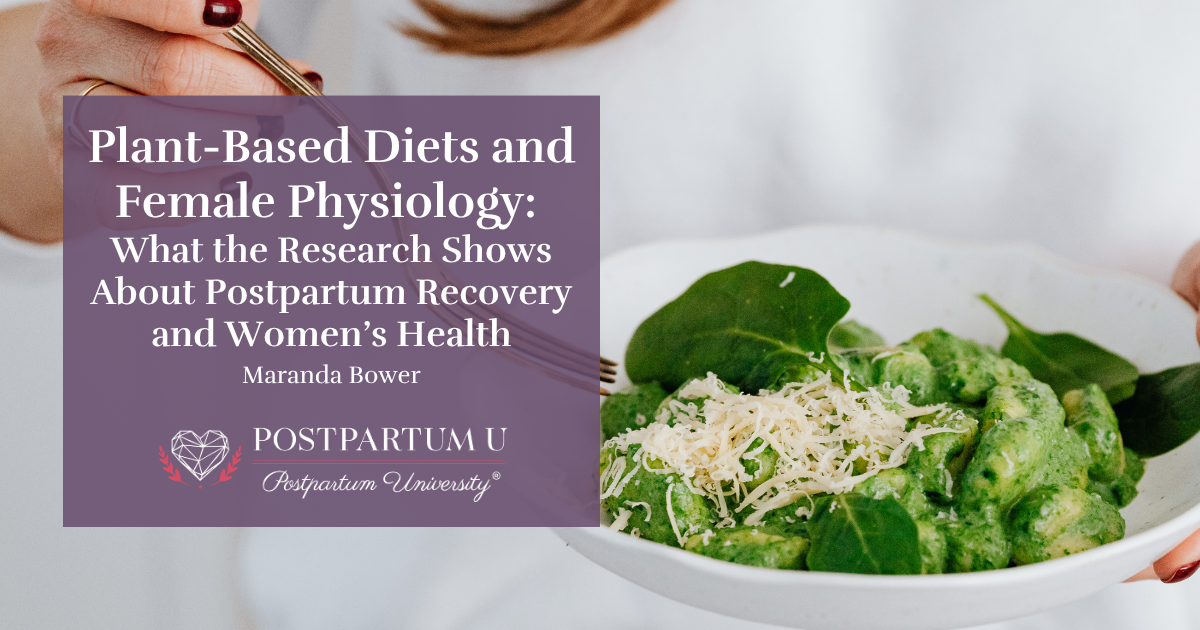
Plant-Based Diets and Female Physiology: What the Research Shows About Postpartum Recovery and Women’s Health
Few nutrition topics generate more defensiveness than this one. And that defensiveness is not difficult to understand. Dietary choices — particularly those rooted in ethics, environmental concern, and personal identity — are not neutral ground. Questioning them, even...

Fetal Microchimerism: Why Your Baby’s Cells Stay in Your Body for Decades
"Where are your cells from?" It sounds like an unusual question. We do not typically think of the cells in our body as having an origin story separate from our own biology. We inherit our genetics from our parents, we build our tissues from our own DNA, and we assume...
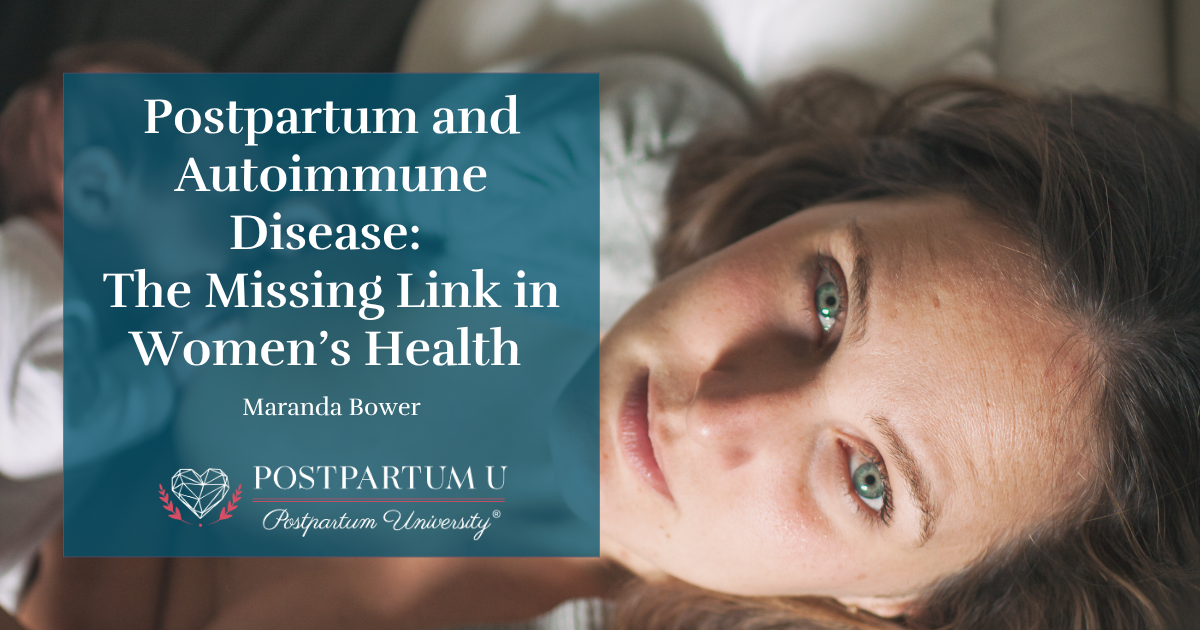
Postpartum and Autoimmune Disease: The Missing Link in Women’s Health
I have watched this pattern unfold more times than I can count. A woman moves through pregnancy with a body that feels more stable than it has in years. Symptoms that had been quietly persistent seem to quiet further. Joints that ached become more manageable. The...
Intrusive Thoughts in Postpartum: Why They Happen, What They Mean, and When It’s More Than “Normal”
Most mothers have had a thought they didn't recognize as their own. It arrives without warning. Unprompted. Often vivid. The image of something happening to the baby — a fall, a slip, something going wrong in a moment of complete ordinary care. The content is...
What Labs Should You Run Postpartum? A Framework for Asking the Most Important Questions First
I have answered some version of this question thousands of times. Which labs should I run postpartum?Which ones actually matter?What should I be looking for? It comes from mothers who have been struggling for months — fatigue they cannot sleep off, hair falling out in...
Inflammation in Postpartum: The Root Cause Behind Depression, Fatigue, and Pain
Across years of studying postpartum physiology and working closely with mothers in the months and years after birth, I began to notice a pattern that did not fit neatly into the categories we commonly use. Women would describe improvement. Their panic attacks...
Perinatal Mental Health Is Not a Brain Disorder
Why postpartum distress is a systems-level physiological state, not a psychiatric malfunction. In my work in perinatal mental health, I hear a familiar pattern described again and again. Treatment helps. Symptoms stabilize. Women function better. And yet, something...

Postpartum Digestion Is Not Normal Digestion: Why Nutrition Must Change After Birth
Postpartum nutrition is often discussed as if the primary challenge were food quality. Eat whole foods. Prioritize nutrient density. Avoid ultra-processed ingredients. Increase protein. Balance blood sugar. Support hormones. These recommendations are familiar, widely...

The Limits of Science in Postpartum Care
“Where’s the science?” It sounds like a reasonable question. A responsible one. The kind of question we’re trained to ask when we care about rigor, safety, and doing things the “right” way. Sometimes it is asked in good faith. Often, though, especially in postpartum...
Subscribe for Updates
Get notified when we publish new research!
Deep-dive articles on postpartum science, traditional practices, and the gaps in maternal care.