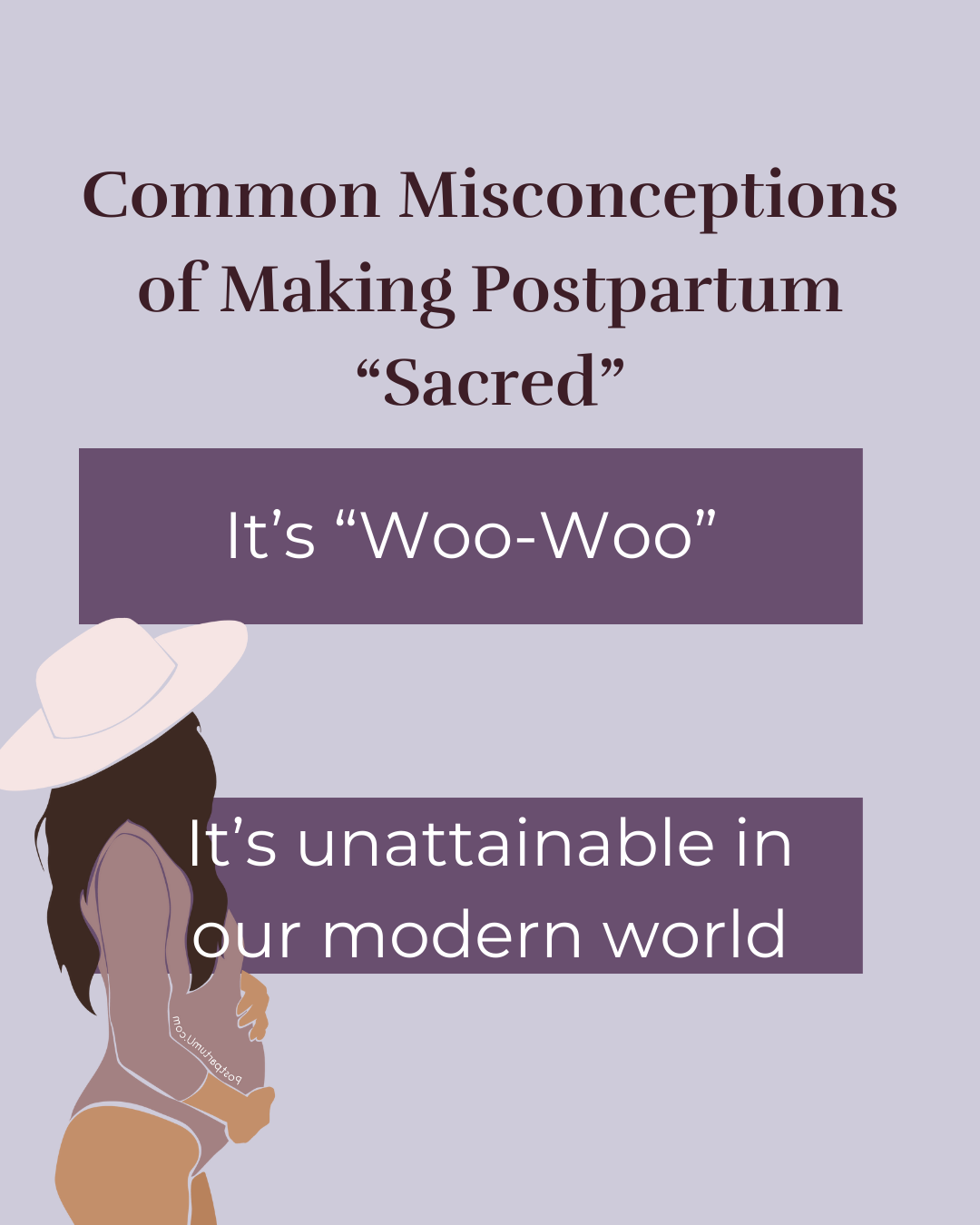


It’s important to note that conscious postpartum care is not about incorporating spiritual or emotional elements into the medical model.
Rather, it acknowledges that a mother’s well-being encompasses her physical, emotional, and spiritual self.
By addressing these aspects throughout pregnancy, birth, and postpartum, we can eliminate outdated medical practices, perinatal trauma, and poor practices that prioritize providers over mothers, and losses and outcomes can be dramatically improved.

Key Principles of Conscious Postpartum Care
- Ensuring that medical expertise is integral to postpartum care and practice must be evidence-based to benefit the mother and baby.
- Emotional healing and support are vital components of postpartum care. It involves offering a safe space for mothers to express their feelings and fears and acknowledging the spiritual journey of postpartum.
- Community support, rituals, and ceremonies play an essential role in postpartum care, helping mothers feel supported and celebrated.
- A mind–body connection is necessary to foster a deeper connection between physical and spiritual selves through practices like yoga or Tai Chi.

Now I want to dive deeper into why this harmonious blend of science and spirituality is not just this philosophical idea, but a practical necessity for the well-being of mothers and families.
Balancing Science and Spirituality in Postpartum Care
Finding a balance between science and spirituality in postpartum care doesn’t require choosing one over the other.
Instead, it involves understanding the unique role and significance of each and approaching postpartum care as a holistic journey.
This journey can be navigated with deliberate care, whether we give it to ourselves, others, or the community and providers.
Exploring the Advantages of Conscious Care in Postpartum
The approach of conscious care during postpartum provides several benefits:
- Enhanced Physical Recovery: The physical well-being of a mother is of utmost importance. While regular checkups and proper nutrition are crucial components of medical practices, combining them with emotional support and stress management techniques can help in a more effective healing process. Practicing self-care techniques and tuning into our bodies can help reduce stress levels, focus on specific areas of healing that require attention, and recognize the sacred connection between our bodies and emotions. As women, we tend to store emotions within our pelvic region, so pelvic floor physical therapy can be an emotionally challenging experience since it enables us to uncover old traumas and wounds.
- Improved Emotional Wellbeing: Emotions play a significant role in postpartum, which can often lead to hormonal shifts, sleepless nights, and a roller coaster of feelings. Holistic approaches encourage open dialogue about these emotions and provide mothers with a safe space to express themselves, thus preventing unnecessary emotional distress. By recognizing the sacredness of postpartum, we can improve our emotional well-being and eliminate traumatic events.
- Strengthened Mother-Baby Bond: Conscious care recognizes the need for nourishing and nurturing the mother-baby bond during postpartum. Practices like skin-to-skin contact, responsive parenting, and breastfeeding are ceremonious rituals that support the bond and attachment between the mother and child. Emotional support and connection between mothers and their infants positively impact the child’s development and well-being.
- Sustainable Approach to Healthcare: Conscious care emphasizes self-care, mindfulness, and emotional well-being practices that mothers can continue even after the postpartum period. This approach leads to spiritual growth, empowerment, reduced risks of postpartum complications, and stronger bonds and networks.
The benefit of holistic, conscious care can extend well beyond this immediate postpartum phase and impact a woman’s life and her family forever.
It is time to shift our thinking about postpartum care.
Honoring traditional practices can provide a strong foundation, but it is important to also incorporate evidence-based approaches that empower postpartum mothers.
By challenging the status quo and prioritizing holistic health, we can lead the way in revolutionizing postpartum care.
Let us work together to ensure that all postpartum mothers receive the support and care they deserve.
Together, we can make a positive impact on maternal and infant health.