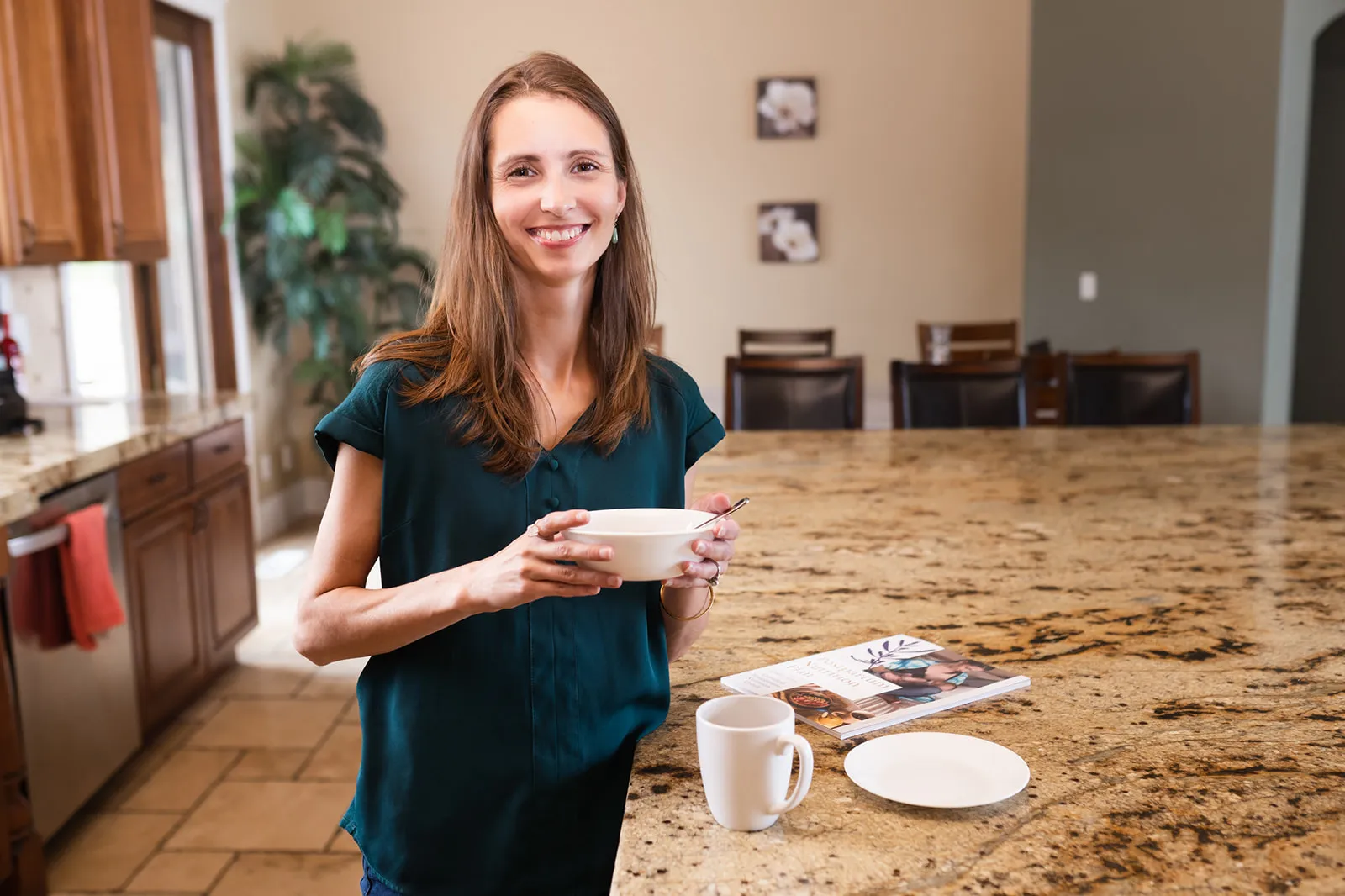
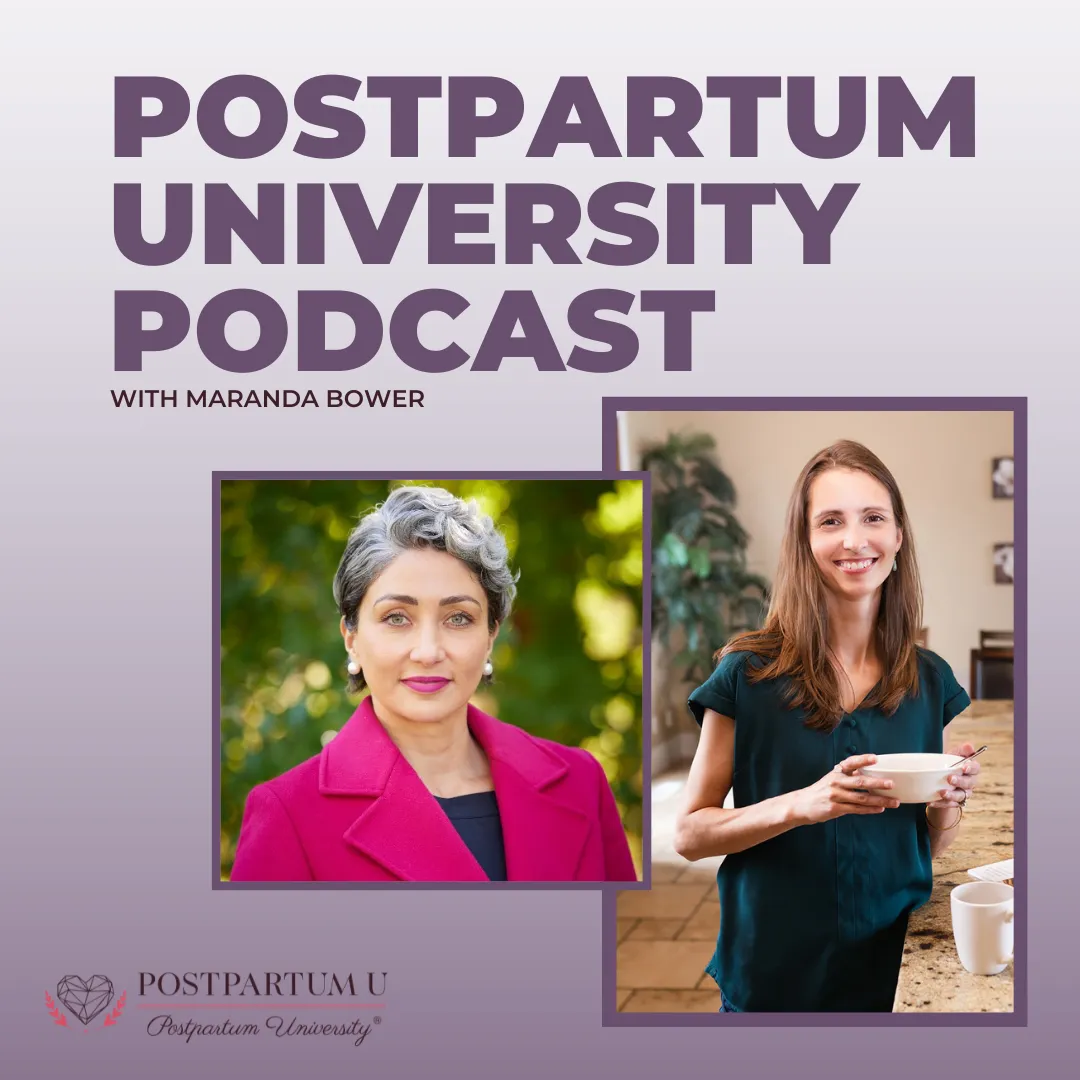
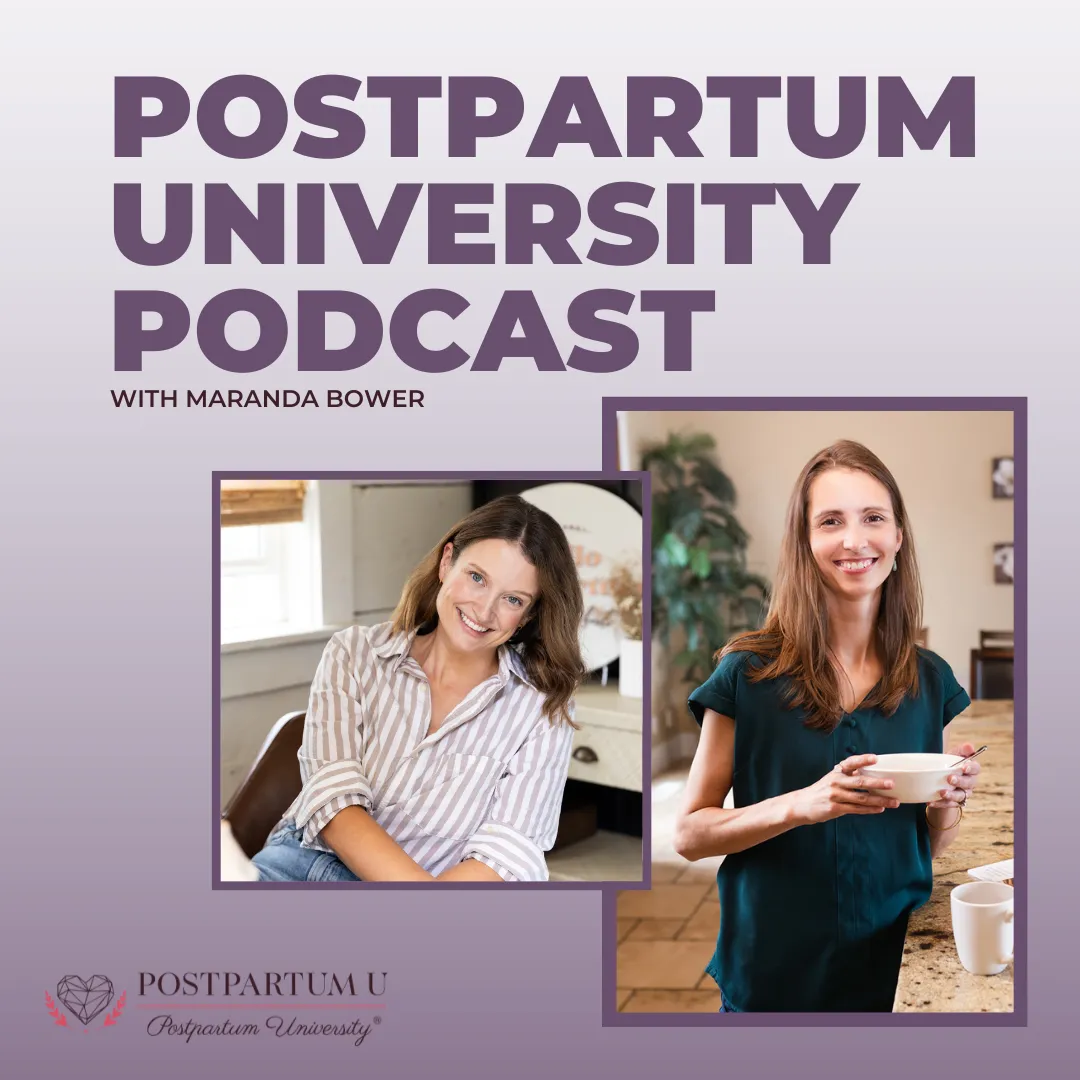
Welcome to the Postpartum University podcast where we support you and your provider in understanding the science, the art, and the sacredness of healing after birth. I’m Maranda Bower, your host, your postpartum nutrition specialist, and homesteading mom with four wild kids. It’s time to get you the holistic, whole-body healing that works. Hello, everyone. Welcome to the podcast. I am ecstatic to have one of my friends and colleagues in the field, someone I’ve been a pervy to for a really long time. I don’t even know how long I have been you around. But we have Jodi Graves here. She is a postpartum doula and agency owner. She’s also a nutritionist and does amazing things with infant feeding. I’m always blown away by the work that you put in the world. You’re such a wealth of knowledge. And I’ve got to ask, how did you get started in this field?
Jodi: Oh, that is quite a question and quite an answer. So I’ve been doing this work for 23 years now, started out in the birth world as a birth worker. After my first birth experience, and felt like there was a need for support for people, just the experience I had felt really abusive, I think is a good way to put it. And so I was a birth doula for many years, and then had a second baby, and had a horrific postpartum experience. So I have definitely had the gamut, I’ve run the gamut with all my experiences in birth and postpartum. So from that, my agency was born and my work as a postpartum doula was born from that experience. Kind of shifted gears when my second baby was born, realizing the very serious gap we have in care for postpartum people.
Maranda: Isn’t it interesting, I find that so many professionals in this field who are doing this work really got started with the experience of becoming a mother, right? And I know that was the same for myself. I started doing this work after the birth of my baby. And when it’s like a whole new world opens up, it’s kind of a world that we’re not privy to until we’re already there.
Jodi: That’s right. There’s not a lot of preparation, if any, for people. And most people have no idea what they’re about to face. If they have a fantastic experience in labor, quite often they have the opposite experience postpartum and vice versa. So we are doing a big disservice to families in this country.
Maranda: It’s absolutely true that we are doing a huge disservice. We’re not giving them the support they need. We’re not giving them the education that they need. And we’re kind of keeping this under wraps. We’re not sharing what it means. But I’m also finding that many of the professionals who are serving in this field don’t know exactly what it means to fully support a mother in this postpartum period as well. And it took a lot of effort and digging to find the people who actually are doing it. And you are one of those people and you actually talk about something called the postpartum black hole. Can you talk a little bit more about what that means?
Jodi: Yeah, it’s the postpartum black hole of healthcare where, you know, birthing people have their babies and they maybe stay in the hospital for a day or two. And then we say bye and send them off into the world and we’ll see you in six weeks. So that time between birth and so six weeks postpartum, we kind of leave families hanging in the wind. And we certainly leave that postpartum, you know, post-birthing human alone with no resources, no healthcare necessarily, just nothing. Now there are of course extenuating circumstances. If somebody’s had a surgery, there is, you know, you do potentially get a visit or two from a clinician. But otherwise, we’re leaving people hanging in the wind with nothing. And then we’re leaving them with no one to check on them. So we call that the black hole of health care. And, and really, this extends beyond the six-week mark, too. And oftentimes, right, we go to our six-week appointment, and we’re sitting there for about five minutes, maybe right. They say, how are you doing? And maybe you have to fill out a questionnaire about depression or anxiety. Sometimes you feel safe and enough to share the truth or maybe it doesn’t apply to you, but then you’re kind of on your way and they’re like, see ya.
Maranda: Yeah. And then there’s nothing that happens after.
Jodi: Yeah, exactly. So, you know, typically a physician visit is nine to 12 minutes in length based on insurance protocols that includes the actual, you know, examination time. right? Where the clinician spends time examining you, making sure that you’re healing. The rest of that time is talk about birth control and maybe a moment or two of how your birth went.
Jodi: And that’s it, and you’re right. People go home and there’s no follow-up after that. There’s no designated follow-up. So there’s nobody to talk to you about your mental health. There’s no one to talk about any of the other things that might be going on in your body at that point.
Maranda: Is this episode resonating with you? We certainly hope so. If you are loving this content, please take a moment to give this podcast a review. It truly means the world to me and my team. Thanks so much. Why is this happening?
Jodi: That’s a really great question. I wish I could answer it with a simple answer. I think it’s a multiple of things going on. I think a big part of it is what is covered by insurance in this country. Our health care is dictated by what insurance covers, and that’s a significant problem. And that’s not just in birth, that’s across the board. I think clinicians are not necessarily prepared. Nobody’s being trained to help in the ways that postpartum people need. [BLANK _AUDIO] there just isn’t education. We’ve come a long way from the 90s even to now in recognizing mental health needs, but we’re just not there yet. COVID has been a rude awakening for us as far as mental, I’m sorry, maternal and infant mortality rates. Since the beginning of COVID, our numbers have dramatically increased, especially for maternal mortality rates. rates. And that, of course, is often 50% higher for black and brown people as well. And so we’re hurtling toward a crisis in caring for people postpartum. So I think there’s quite a few different answers. And of course, I have some theories about the solution to some of these things as well.
Maranda: OK, I’m all about solutions. solutions. I think this is an area that we don’t focus enough on, right? I think so many companies and organizations, grassroots, they’re focusing still on the awareness that postpartum depression and anxiety exist and we need that awareness. There is purpose in that. Let’s start getting to the root. What is going on here and how do we fix it? So I absolutely want to hear all your thoughts. theories here.
Jodi: Yeah, I mean, so there are some states that are coming up with initiatives to extend postpartum care for 12 months, postpartum, okay? So this is starting with state-funded programs, the Medicaid programs, and there’s a handful of states with these initiatives and these bills that have passed. So that is a good start, right? Now, nobody’s dictating what’s gonna be covered in that time. but it does open up the ability for people to see a provider for a year after their birth to get care. So that’s something that needs to change across the board. That needs to open up. We need to have a lot more liberal things that are covered. I hate to, I don’t know how to phrase that other than that, just kind of be more liberal with the care that we give during that year. A lot of this starts with change. on the policymaker level. So with our legislators in our states, changing the way we view postpartum, changing the way that we care for people postpartum. And education is required in the hospital environment. There are things people spend maybe one to two days in the hospital after they give birth. And so that’s what we do. a fantastic time to give some education to people about what to expect when they bring their baby home, how to care for their baby when they do bring them home, and how to advocate for themselves. Because nobody’s teaching that. And of course, my final answer is always a postpartum doula, always postpartum support. So working that into legislation as well, I think, is essential. We are fighting for birth support to be covered by insurances. It’s time to turn that attention to postpartum support as well, so that that becomes a focus of care.
Maranda: Yeah, yeah, you know, and when it comes to the level of care that we get in terms of the medical approach to postpartum and care, it’s very, very convoluted. And a lot of times it goes right back to money. And you would think that there would be a significant amount of money involved in postpartum care, where there’s a lot of money to be made, right? And so therefore, there would be more focus on let’s make this a reality, right? And we see that in the medical world, we’re seeing that, you know, there’s multiple studies that that are showing that money is where it’s at. But the big thing that you’re saying is that we have to get insurance companies, we have to get the people who make the money move understand that there is something here of value in order to believe that there is value in taking care of our mothers.
Maranda: Yeah, that there’s a need for change. We’ve in belief in order to make this happen. So how do we do that? I mean, because, and I know that I didn’t ask you this question in advance and let you know that I was sharing this. But I think it’s so important for those of us who are advocates for what is happening in the postpartum world and want to support these changes, what do we do?
Jodi: Yeah, you know, the funny thing is… so I’m in the middle of writing a book about postpartum and you know, I certainly talk about the black hole of postpartum health care or just health care in general and talk about some of the things that I’m doing. And some of the things that we’re going to continue to do. It’s kind of a movement, you know, I’m really I have a couple of articles that have been published in some peer review journals that where I ask people you know get involved do this with me if you’re interested in this movement let’s band together and start raising our voices in individual states and making our voices heard. You know it’s a it’s really no coincidence that you and I find ourselves talking today or that this is such an important conversation right now given everything else that’s happening politically across the country. So we can’t leave postpartum birthing people behind. We can’t insist that they do things and then leave them hanging, right? And we have to correct the levels of infant and maternal mortality rates that we have. And I think what we currently do in this country, if I’m being honest, we blame women. We blame women and birthing people and we tell them it’s their fault. We tell them it’s because they’re obese. Or that they didn’t take care of themselves or they didn’t get postpartum care or prenatal care rather and so we’re blaming instead of fixing. So this really is very much. We blame motherhood too. Oh, it’s just through hormones. It’s supposed to be this way. Get over it. It’s you know this is just the way it is. Well, people hear a lot of things like you know your baby’s healthy. You should be grateful. You had a healthy delivery. You should be grateful, there’s no time or space for you to be sad or for you to feel unwell. You know, we just, we do a disservice all the way around from beginning to end. Does this require an overhaul of everything we’re doing? Maybe in birth and postpartum all the way around, maybe. But for me, my focus is, you know, making change on the policymaker level finding out who is involved in making these policies in my state, to start with, in Michigan, and who’s involved perhaps at several different university levels in making policies, universities that have hospitals attached to them, you know, those are the places that I’m starting. And I love the idea of other people getting involved and getting on board with this. And maybe running their own grassroots efforts in their states, I think that’s incredible.
Maranda: It’s incredibly powerful to be able to have that and imagine a world where there’s plenty of grassroots efforts and we’re all working together for the same reasons to bring motherhood and parenthood into the realm of importance. Like this is something that we need to take care of, not only for our motherhood, but also for our motherhood. For our own health, but that of our children’s health as well.
Jodi: Right, and we have mechanized birth so much, and we have taken a lot of the things that Mother Nature intended out of birth and prospartum. And we have interrupted the bonding process and have harmed families in that way. So my focus as a doula agency owner is to touch as many people as possible with support and care, help them feel like they have a tribe, right? We don’t do that in the US anymore. We don’t have tribes. We don’t have villages anymore. We don’t have family quite often, anywhere nearby. Or if we do, we don’t necessarily want them in our houses. So, so kind of what we do as postpartum doulas is bridge that gap. I’m going to show you. The conversation a little bit because you are a nutritionist and anybody listening into this knows that that is one of my all-time favorite topics, especially in regard to nutrition, post, postpartum and nutrition. Yeah, yeah. So let’s talk a little bit. I want to pick your brain on nutrition and postpartum. How important is this? And this overall conversation that we’re having today?
Jodi: It is absolutely vital. It is absolutely vital. How could you possibly recover from an event like giving birth? And it really doesn’t matter how you give birth. Your body is not able to recover properly if you don’t nourish it. And if you consume this standard American diet, that’s not nourishment. So this is really, this is a topic that is near and dear to my heart as well. Nutrition is kind of where I got my start many years ago. So it’s vital.
Maranda: It so is. And it’s not just recovering from the birth of a baby, but also the entire creation of that baby for those nine, eight to nine months, right? Wherever you were in the giving birth spectrum. It’s, it’s so critical because that baby is relying on you for all of their nutrients and all of their needs.
Maranda: Then, and then we have the birth experience, which is often related to a marathon, right? Yeah. And then for many, not all, there’s breastfeeding after. So there’s this sustaining of life after birth with your own body. It’s just incredible what our bodies are doing and the need for sustenance during that time is so important to the overall healing and function. And dare I say, and I’d love to get your opinion on this, the reduction of depression and anxiety. Yes.
Jodi: Yes, that was kind of gonna be my next statement as well, we can’t expect our brains to work properly if we’re not nourishing our entire body. And there’s some studies that correlate that, right? Mental health, physical health, all of that to proper nutrition. So it’s the foundation of really, of life, honestly. And parenting is demanding, you know? Not just thinking about recovery, physical recovery from birth, but parenting is demanding. If you’re not nourishing yourself or being nourished by your village, it’s not something you can ask of your body to be able to do all of that if you’re not taking care of it. So this is really important stuff.
Maranda: And where does it fall in the spectrum when we are working with legislation, when we are working with providers? How does it fall in the spectrum when we are working with providers? How do we get this information out there and say, hey, wake up, this is so important that we need to start having these conversations, especially around nutrition, because for me, it’s mind blowing, that we will actually diagnose somebody with depression and or anxiety without having first looked at their nutritional levels. It’s mind blowing. How do we shift this?
Jodi: Well, I’m sure that you know that in Western medicine, clinicians that take care of patients in the hospital setting are not being educated about proper nutrition. They may potentially have taken a brief class, maybe a two credit class potentially, or a lecture, maybe two lectures about nutrition. And that’s it. So there really isn’t education on that level, especially not the kind of education that you and I have about actual nutrition. And I’m not necessarily talking about the Western food pyramid. I’m talking about nourishment. Those are two different things. I’m sure I’m stepping on some toes with that statement, but I stand by it. That’s not nutrition. And so that’s where it starts, educating of our clinicians. You know, perhaps people choose to have a hospital birth and want to have all that Western medicine offers. We need to make this a facet of that care. So I think clinicians need to be required to have nutrition courses under their belt. And the interesting thing is what exists currently, it might be a very broad look at nutrition in general, but there’s no understanding of postpartum nutrition. And postpartum nutrition, as you and I know, is very different than regular nutrition, just as pregnancy nutrition is different. And it’s not about counting calories. No, calories are not even a part of that conversation. That is really old science. It is not even, not even, we’re not talking about calories, we’re not talking about eating the rainbow. It goes so much deeper.
Maranda: Yeah, so much. Yeah, it does. So I think first steps are getting clinicians in front of some kind of information about nutrition. And then from there, perhaps requiring certain specialties to have a more detailed look at actual postpartum bodies, right? And how to nourish postpartum bodies, not just for pregnancy, but postpartum and breastfeeding, if that’s what people choose. The whole childbearing year. Well beyond the first 60s. For sure. So now you understand the black hole of healthcare. You know there’s so much that we could be doing that we’re not. So much that needs to be done, needs to change in that time. There are many, many providers who are listening in on this podcast episode. What can they do to make these postpartum outcomes more beneficial? What can we do to increase better outcomes?
Jodi: Well, certainly as far as if you’re in Michigan, you can look us up at Michigan Family Doulas around all the socials. In addition, reach out to your legislators, find out about these 12 month initiatives to cover people after they give birth for 12 months. You know, and, and then of course, we need to get specific about what that coverage means, what kind of care people will receive during that time. We need to start holding people to the fire holding feet to the fire for these things. There are a couple of studies that are out there articles, if you will, that I have done that are on some peer review journals. And so it’s love to give you that information so people can kind of find out this grassroots movement that I have going on. And of course, I have a Facebook page about tell me your story. So it’s a great resource for people to go on and tell their birth stories, clinicians, providers, you know, just anybody listening to this, to tell their birth stories and tell what’s happening in birth, what’s happening in postpartum. It’s great. great way to get involved and unite people together.
Maranda: And we’re going to have all of those links in the show notes. So definitely take a look at those, because this is incredibly important in ways of changing the way we are supporting women and families in this postpartum period and beyond, right?
Jodi: This isn’t just about postpartum. It is also about motherhood, about parenthood. About our children and the next generation. I mean, it goes really, really deep. So please take a listen in and really look at your own practice, right? Where are you putting in these pieces? Where are you connecting in with the people that are coming to you for this kind of support? Are you including nutrition in the conversation? Where are you addressing these disparities between white and BIPOC, you know, populations, all of these conversations to be had. So asking yourself those questions are going to be a huge benefit to your community and to the birthing worlds and to everyone in general.
Maranda: Thank you so much. I appreciate it. It’s great to finally meet you, see your face and have this conversation with you.
Jodi: Thank you. Likewise. Yes.
Maranda: Love this episode. Let us know by leaving an amazing review. Your support is everything. Want more? Head over to postpartumu.com. That’s postpartum, the letter u.com and explore how we support moms like you and holistic whole body healing that’s specific for the unique needs of mamas and the year’s postpartum. See you there.